

0.96 Inch IIC I2C SPI Communicate 7pin SSD1306 White/Blue/Yellow Blue Color 0.96 Inch 128X64 OLED Display Module
blue
$12.51
Sale price
$12.51
Regular price
$0.00
Skip to product information


0.96 Inch IIC I2C SPI Communicate 7pin SSD1306 White/Blue/Yellow Blue Color 0.96 Inch 128X64 OLED Display Module
$12.51
Sale price
$12.51
Regular price
$0.00
Description
SPECIFICATIONS
Brand Name: Snow brocade
Choice: yes
Display Mode: 128*64
Driving Chip: SSD1306
High-concerned chemical: none
Model Number: 7pin 0.96 inch
Origin: Mainland China
Resolution: 128*64
Type: OLED
is_customized: Yes
semi_Choice: yes
SPecifications:
High resolution: 128 * 64
Angle of view:>160 °
Support for multiple control chips: fully compatible with Arduino, suitable for 51 series, MSP430 series, STM32/2, RSE IC, etc.
Ultra low power consumption: full screen illumination 0.08w
Voltage: 3V~5V DC
Operating temperature: - 40 to 85
Module size: 27.3mm * 27.8mm
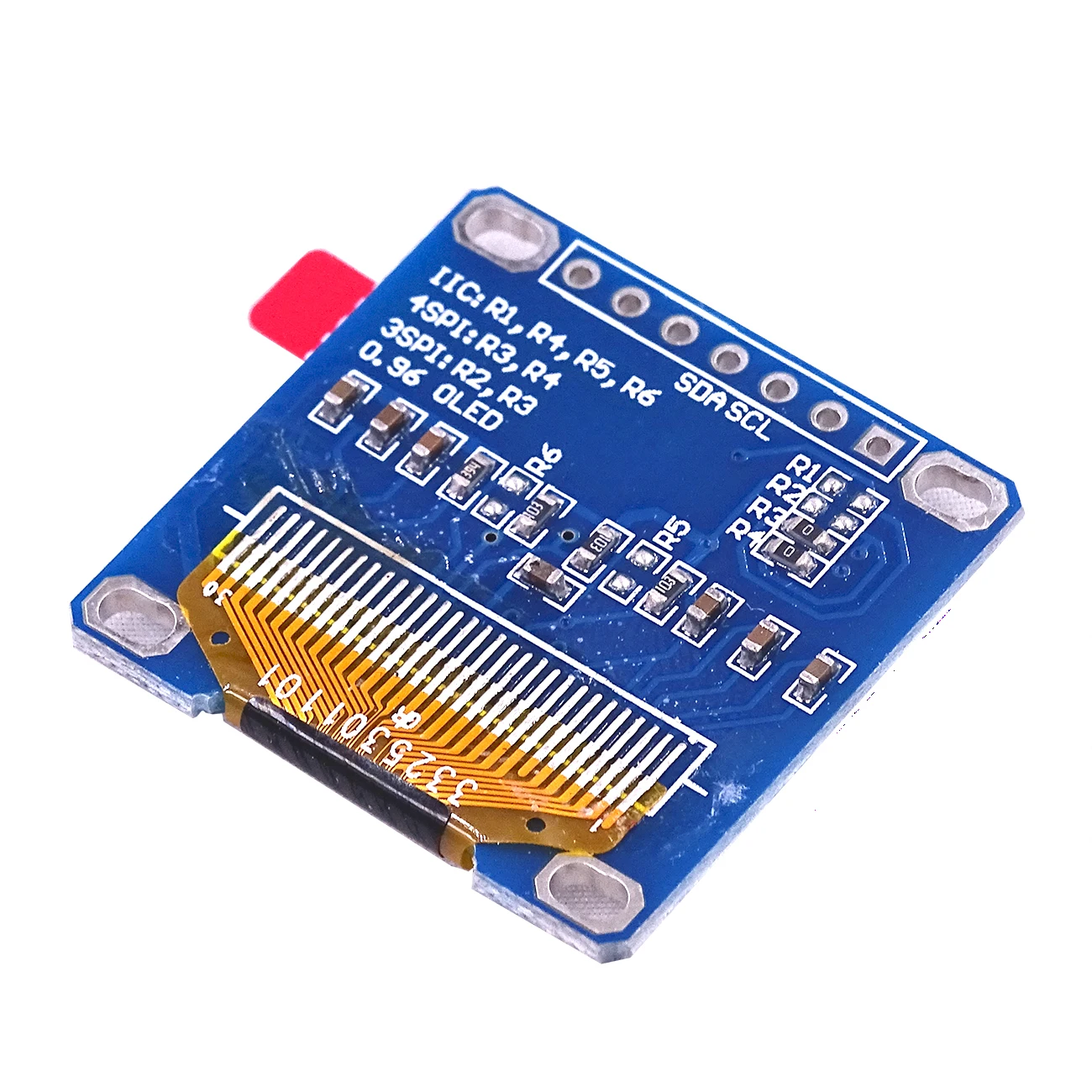
The I2C/IIC interface only requires 2 IOs.
Module weight: 5 grams
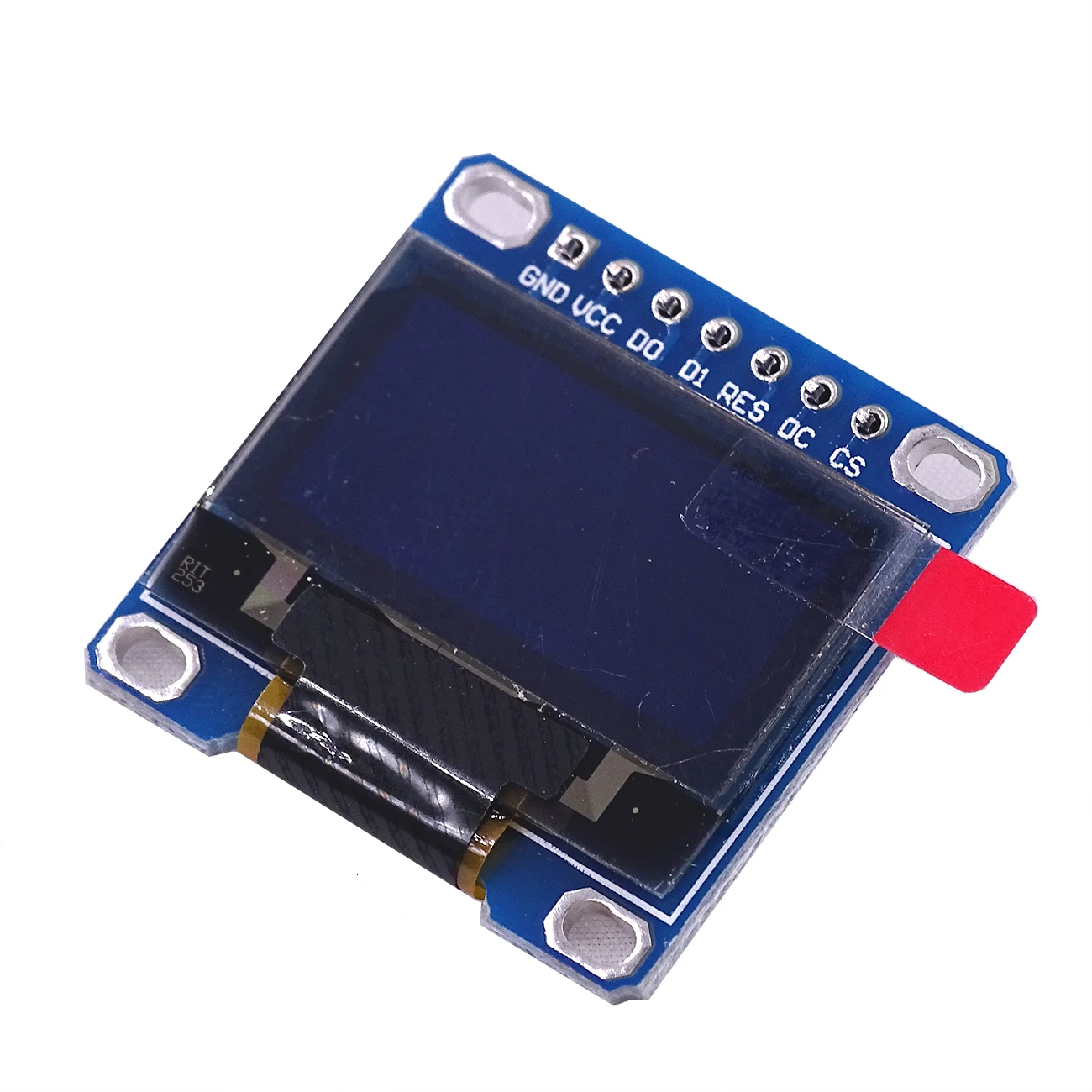
SPI company interface definition:
1. Global Navigation Satellite System (power cathode)
2, VCC (positive pole of power supply)
3, D0 (SCL clock line)
4, D1 (Thursday data line)
5. Resolution (reset line)
6, DC (data/command)
7 pieces (piece selection) must be grounded when not in use

What is OLED?
OLED (Organic Light Emitting Diode) is an automatic light emitting technology consisting of a multilayer organic thin film between the anode and cathode. Compared to LCD technology, OLEDs do not require backlighting. OLED has high application potential in almost all types of displays, and is considered the best technology for the next generation of flat panel displays.
Does the use of OLED technology provide the following advantages for flat panel displays?
1. Compared to TFT-LCD, it simplifies the manufacturing process (see 2 1 Comparison of images and images below)
2. Self illumination, in contrast to the backlight required for TFT-LCD
3. High brightness
4. Lightweight (less than 2mm)
5. Can you observe the angle~ 180 ??
6. Low voltage operation and power consumption
7. Quick response (level 2)
8. Wide operating temperature range (- 40 ℃ to 85 ℃)
How does OLED emit light?
The basic structure of an OLED consists of an organic material located between the cathode and the anode. The organic material consists of indium oxide and a transparent tin conductor (ITO). Organic materials comprise multilayer thin films, including (EML) and electron transfer layers (ETL). By applying a suitable voltage, holes and electrons are injected into the EML from the anode and cathode, respectively. Holes and electrons combine in IME to form excitons, which then generate electroluminescence. The selection of transfer materials, emitter layer materials, and electrodes is the main factor determining the quality of OLED components.
Free Shipping Over $199
- Standard Shipping: Standard Shipping (12–18 Business Days)
- Express Shipping: Expedited Shipping (5–9 Business Days)
- Free Shipping: Orders over $199 qualify automatically
- Tracking: Full tracking number provided for all orders
30-Day Return Policy
- Returns: 30-day hassle-free return window
- Condition: Items must be unused and in original packaging
- Refund: Full refund processed within 3-5 business days
Why Choose Us?
- Factory Direct: ISO/TS 16949 certified manufacturer
- Quality: 100% electrical continuity tested before shipment
- Experience: 15+ years in automotive connector industry
- Support: Professional technical support available

You may also like
Blog posts
Title
An excerpt of your blog post's content
Title
Date|Author
Subscribe to our emails
Be the first to know about new collections and special offers.